
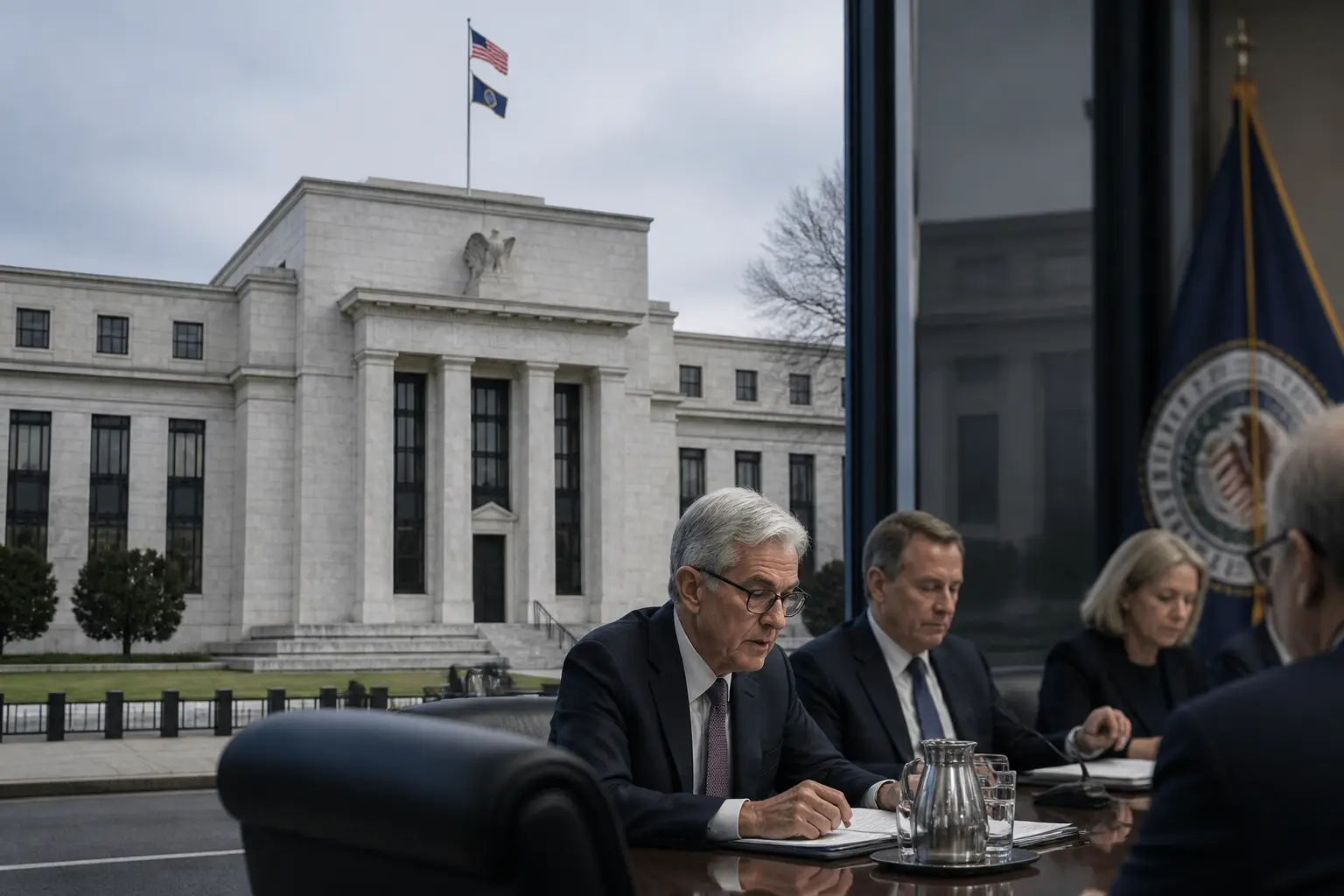
The US Federal Reserve has raised interest rates for the first time since 2023, voting unanimously to increase the benchmark rate by a quarter-percentage point to a range of 3.75% to 4%.
The decision marks the first rate increase since July 2023 and follows a period of rate stability. The Fed’s open market committee emphasized ongoing efforts to control inflation, which remains above its 2% target. New projections suggest a majority of officials expect another rate hike before the end of the year, with some predicting the benchmark rate could reach 4.25% to 4.5% by year’s end.
Fed Chair Kevin Warsh stated that inflation remains too high and has not shown significant improvement. His stance contrasts with former President Donald Trump’s public calls for lower rates. Warsh reiterated the Fed’s commitment to maintaining independence from political pressures, despite Trump’s expectations that Warsh would cut rates. The White House has not yet responded to the Fed’s decision.
Why it matters
The rate increase affects consumer and business borrowing costs, potentially slowing economic growth and influencing inflation control efforts.
This section reflects Dumpling editorial interpretation and is provided for context only.
What to watch
The Fed’s next policy meeting and any further rate adjustments before the end of the year will be key indicators of inflation control strategies.
This section reflects Dumpling editorial interpretation and is provided for context only.