
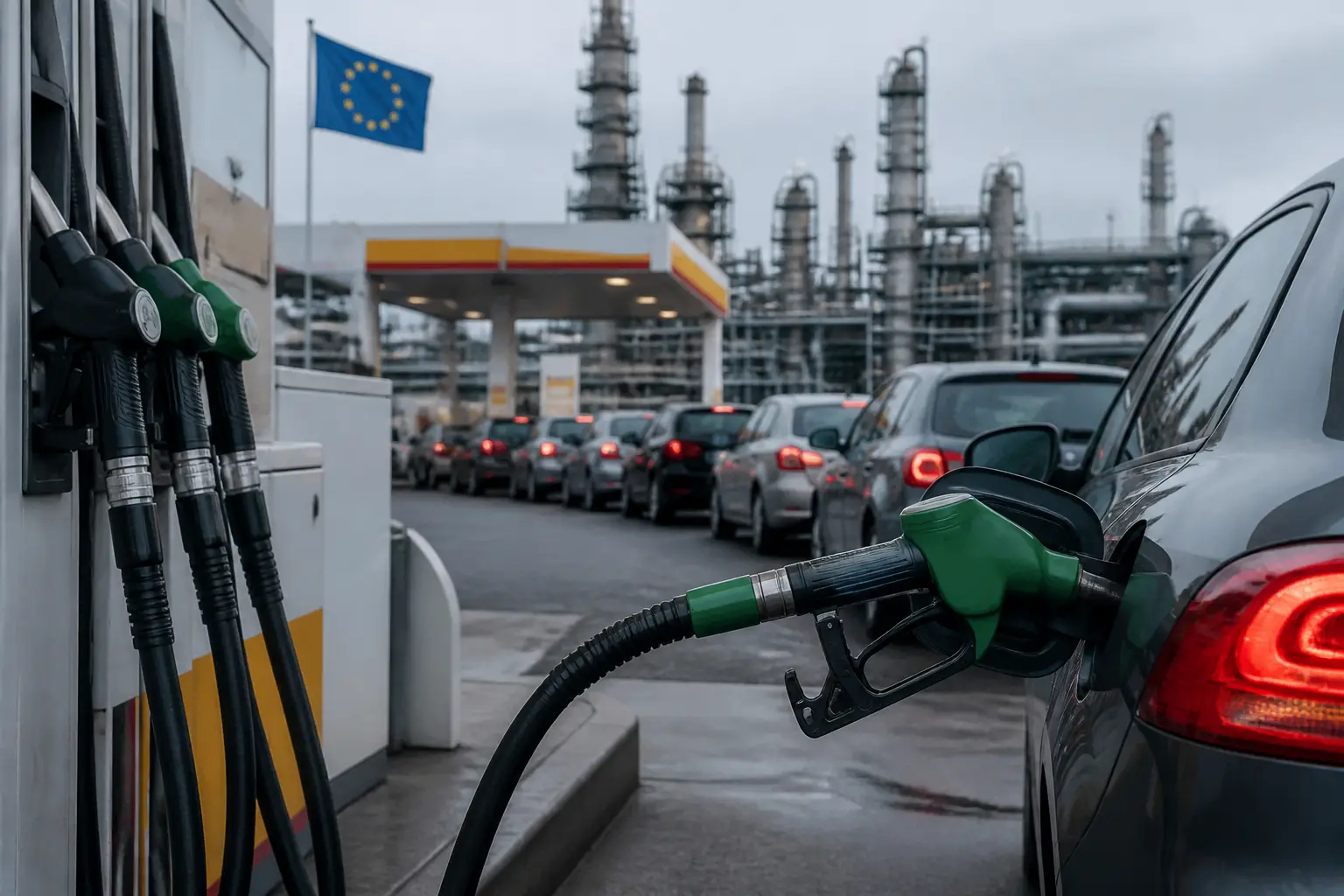
Petrol and diesel prices in Europe remain high despite crude oil prices not reaching record levels, driven by refining capacity limits and supply chain disruptions.
Refining capacity constraints and disrupted trade flows are key factors contributing to the elevated prices of petrol and diesel in Europe. These issues are exacerbating inflationary pressures across the region. Despite crude oil prices not reaching record highs, the lack of sufficient refining infrastructure is limiting the ability to process raw materials into finished fuels, leading to higher pump prices.
Shortages of finished fuels, particularly diesel, are compounding the problem, as limited refining capabilities and supply chain challenges hinder the availability of these essential products. The situation is further complicated by trade disruptions, which are reducing the flow of refined products between countries. These combined factors are maintaining high fuel prices, even in the absence of extreme increases in crude oil costs.
Why it matters
Petrol and diesel prices remain elevated in Europe due to refining constraints, but the target does not predict the timing or size of the next interest-rate decision.
This section reflects Dumpling editorial interpretation and is provided for context only.
What to watch
Watch for euro-area inflation outlook and monetary transmission in subsequent official updates.
This section reflects Dumpling editorial interpretation and is provided for context only.