
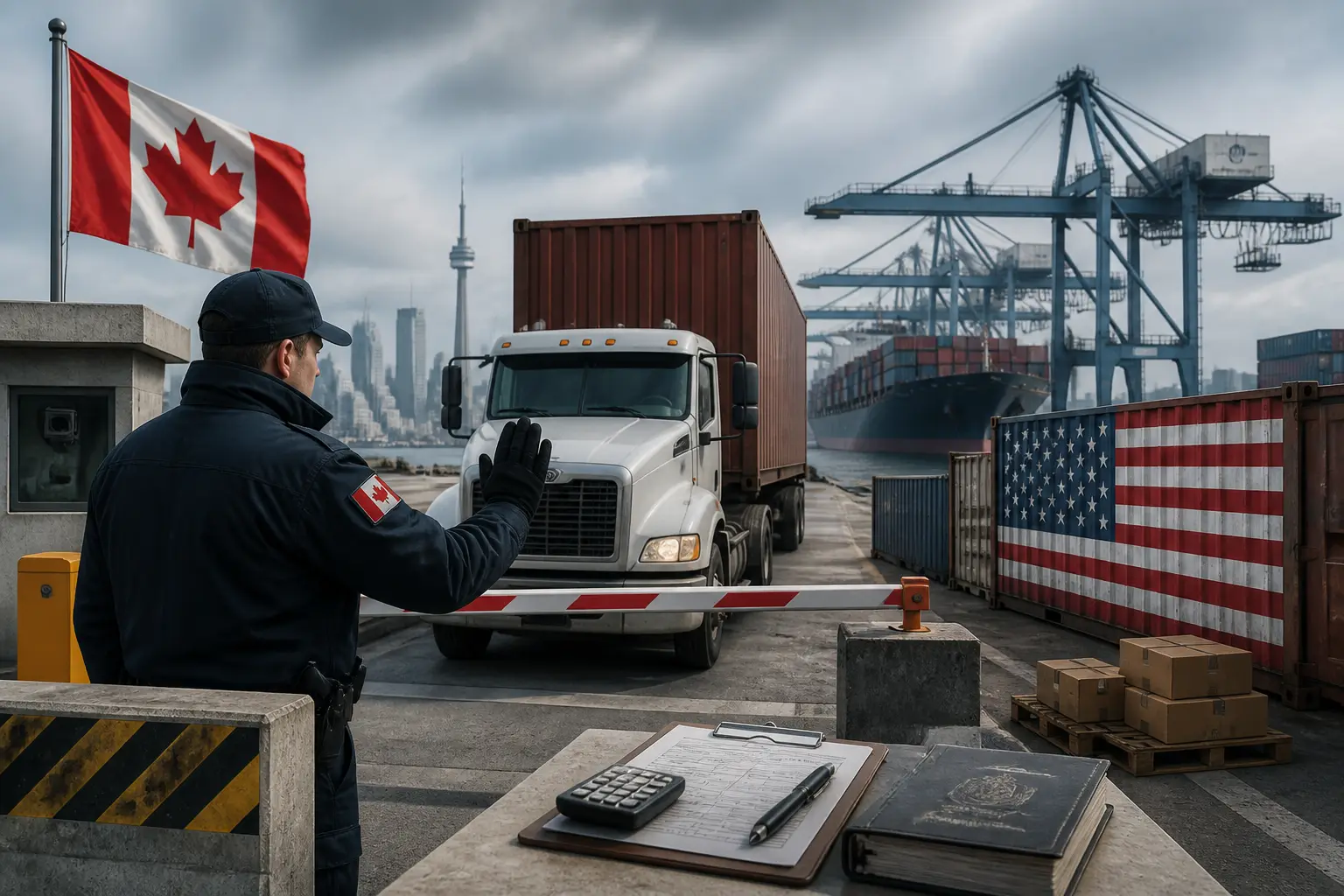
Canada has imposed retaliatory tariffs on $20bn worth of American products, escalating trade tensions with the US and raising concerns over the stability of their economic relationship.
Canada's counter-tariffs, which range up to 50%, apply to a wide range of US goods, including steel, furniture, and cotton T-shirts. The move follows the collapse of trade talks in late August, with no indication of a new agreement in sight. The tariffs target nearly C$28bn ($20bn) worth of American products, signaling a significant escalation in the trade dispute between the two nations. The implementation of these tariffs marks a key development in the ongoing trade war, which has the potential to disrupt the world's largest bilateral trading relationship. Canada initially included fresh fish and lobster in the list of affected goods but later removed them following pressure from the seafood industry, highlighting the delicate balancing act required in retaliating against its largest trading partner.
Prime Minister Mark Carney has expressed willingness to negotiate a durable deal with the US, but no progress has been made. US trade representative Jamieson Greer has indicated that the US may respond with its own import restrictions, citing a lack of communication from Canada since the talks ended. Greer stated that the US has offered Canada the best possible deal, but Canada has not accepted it. Meanwhile, President Donald Trump has threatened to halt all US business with Canada-based airplane maker Bombardier unless it relocates manufacturing operations to the United States. This development adds another layer of complexity to the trade conflict, which shows no signs of de-escalation.
Why it matters
The trade war threatens to disrupt the world's largest bilateral trading relationship, affecting industries and economic stability in both countries.
This section reflects Dumpling editorial interpretation and is provided for context only.
What to watch
The next potential response from the US, including possible import restrictions or further trade negotiations, will be key indicators of the situation's trajectory.
This section reflects Dumpling editorial interpretation and is provided for context only.