
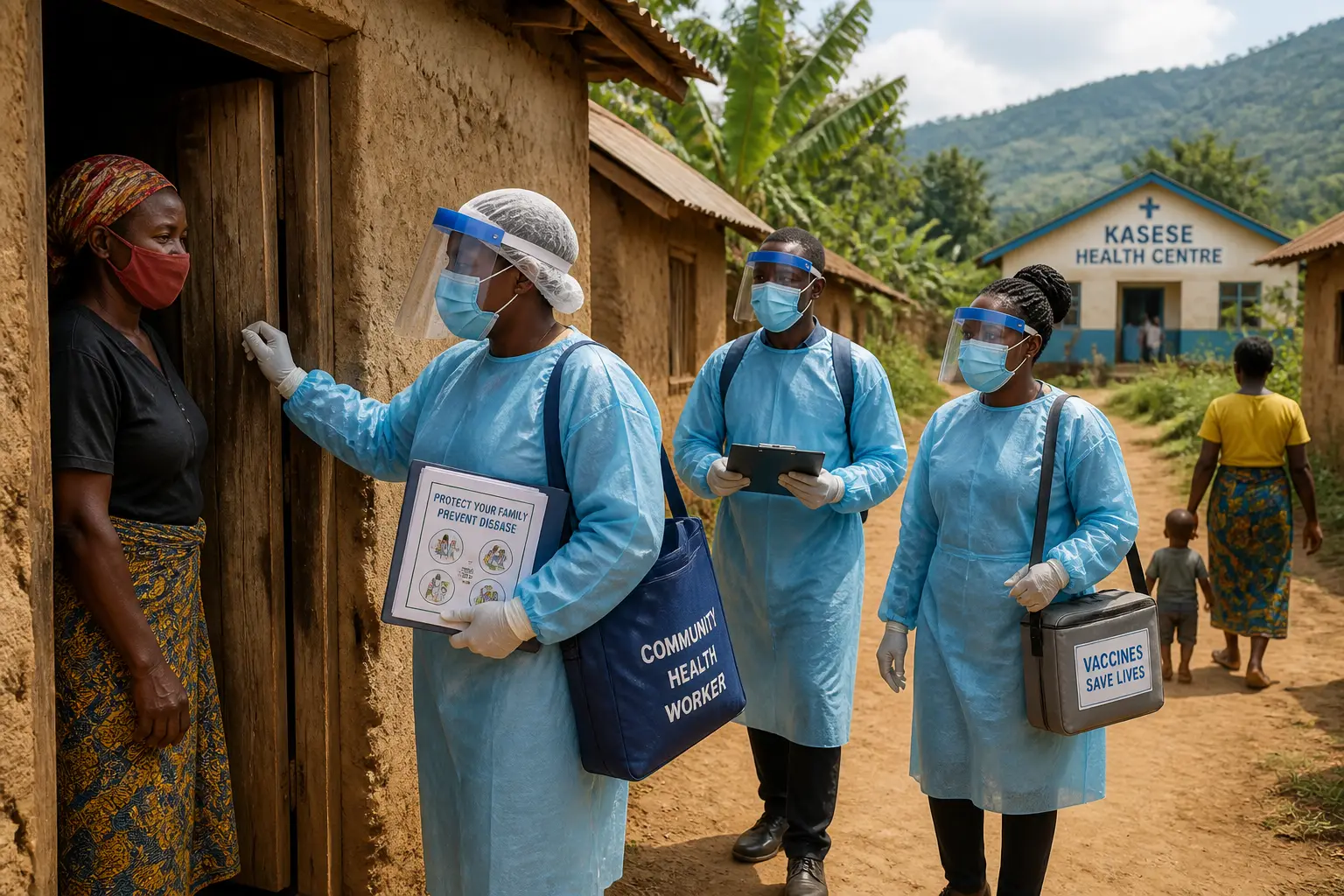
Health officials in the Democratic Republic of the Congo are escalating efforts to combat an outbreak that has surpassed 4,000 confirmed cases, with concerns that the virus may be mutating.
The Ebola outbreak in the Democratic Republic of the Congo has exceeded 4,000 confirmed cases, prompting a major escalation in the response. Health officials are now conducting door-to-door searches for patients as part of a comprehensive strategy to contain the spread. The outbreak, linked to the Bundibugyo strain of the virus, was first reported on 15 May, though there are indications the disease may have been circulating earlier. As of 4 August, 3,973 cases and 1,801 deaths have been recorded, making this the second-largest Ebola outbreak on record.
Public health officials have noted that the current outbreak is significantly larger than the 2014-18 West Africa epidemic, with eight times more cases and six times more deaths recorded at the same stage. Concerns about the virus mutating have led to plans for studies to assess its evolution. Contact tracing efforts have been insufficient, with only 10 contacts identified per patient, far below the expected 40. Health workers are now shifting from contact tracing to active case searches, involving community outreach and digital tools. Officials are also considering the use of antiviral treatments and testing a vaccine originally developed for a different strain of Ebola.
Why it matters
The scale and potential mutation of the outbreak pose significant risks to public health in the region and beyond.
This section reflects the Daily Dumpling editorial team's personal interpretation and is provided for general reference only.
What to watch
The effectiveness of the expanded response and the virus’s potential to mutate will be key indicators of the outbreak’s trajectory.
This section reflects the Daily Dumpling editorial team's personal interpretation and is provided for general reference only.
