
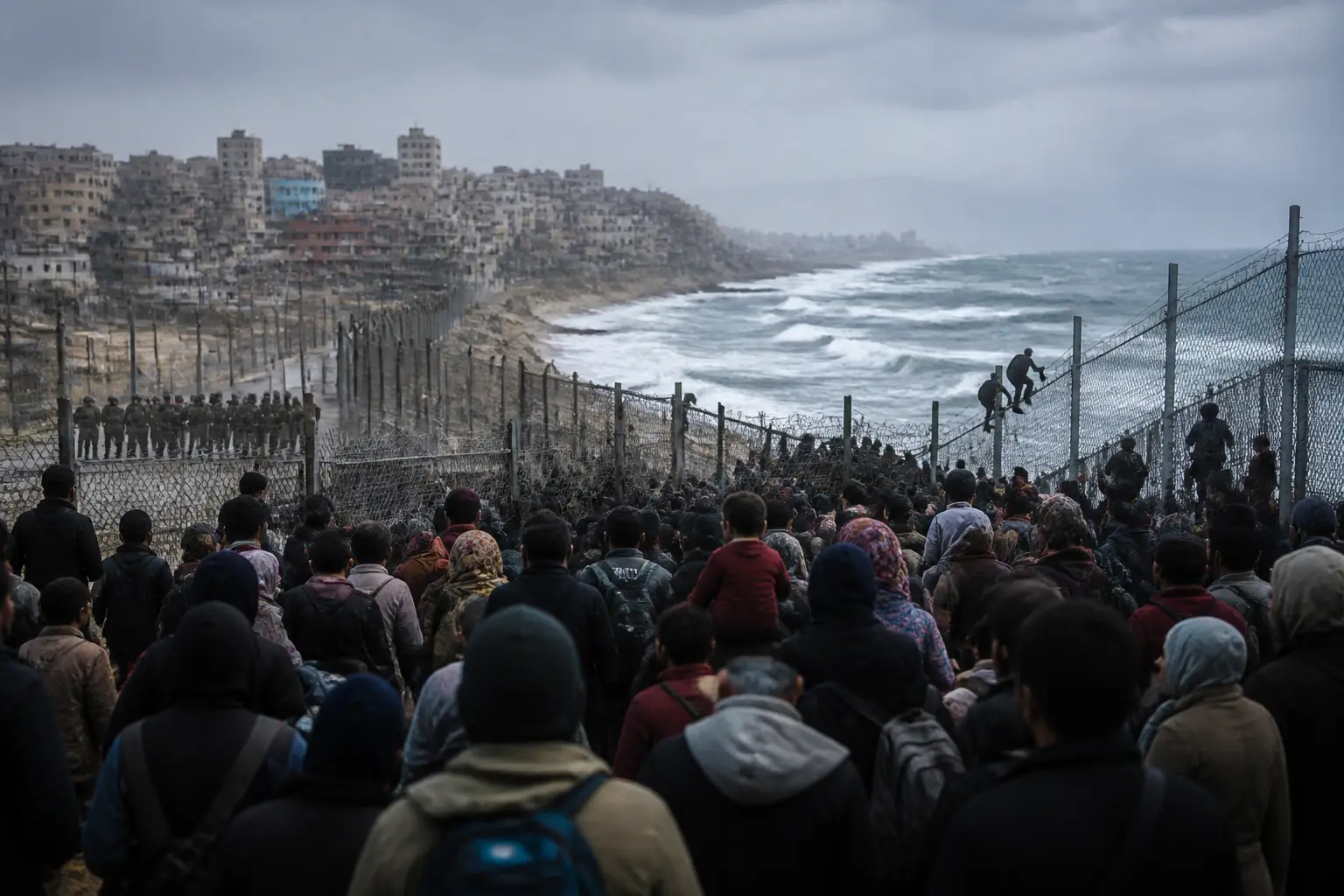
A surge of migrants attempting to cross into Spain’s Ceuta enclave exposed vulnerabilities in EU border policies and fueled political debates over immigration.
Over 72,000 migrants attempted to cross into Spain’s Ceuta enclave last week, with most returning to Morocco within 24 hours. At least 88 died during the attempt, according to local officials. EU interior ministers dismissed claims of a territorial threat to the Schengen area, but media coverage amplified fears of a security crisis. Right-wing narratives and viral images of the crossings have been used to justify stricter immigration policies, echoing patterns from the 2015 refugee crisis. Officials note that legal pathways for migration have dwindled, pushing people toward dangerous, illegal crossings. Social media misinformation, including claims about open borders, reportedly influenced the movement.
Meanwhile, eight major oil companies reported over $90 billion in profits in three months amid rising energy prices and climate-related heatwaves. In the UK, the health secretary pledged reforms to address maternity care scandals. Jordan convened an emergency meeting over concerns about an Israeli move in Jerusalem, while Russian strikes near Kyiv killed at least 14 people. In Fnideq, Morocco, families searched for missing relatives who crossed into Ceuta. Analysts warn that without legal alternatives, such crises will persist, deepening divides between political and humanitarian responses.
Why it matters
The Ceuta incident underscores how misinformation and policy gaps can escalate migration crises into geopolitical flashpoints.
This section reflects the Daily Dumpling editorial team's personal interpretation and is provided for general reference only.
What to watch
EU border policies and the spread of viral content may shape future migration debates and security measures.
This section reflects the Daily Dumpling editorial team's personal interpretation and is provided for general reference only.