
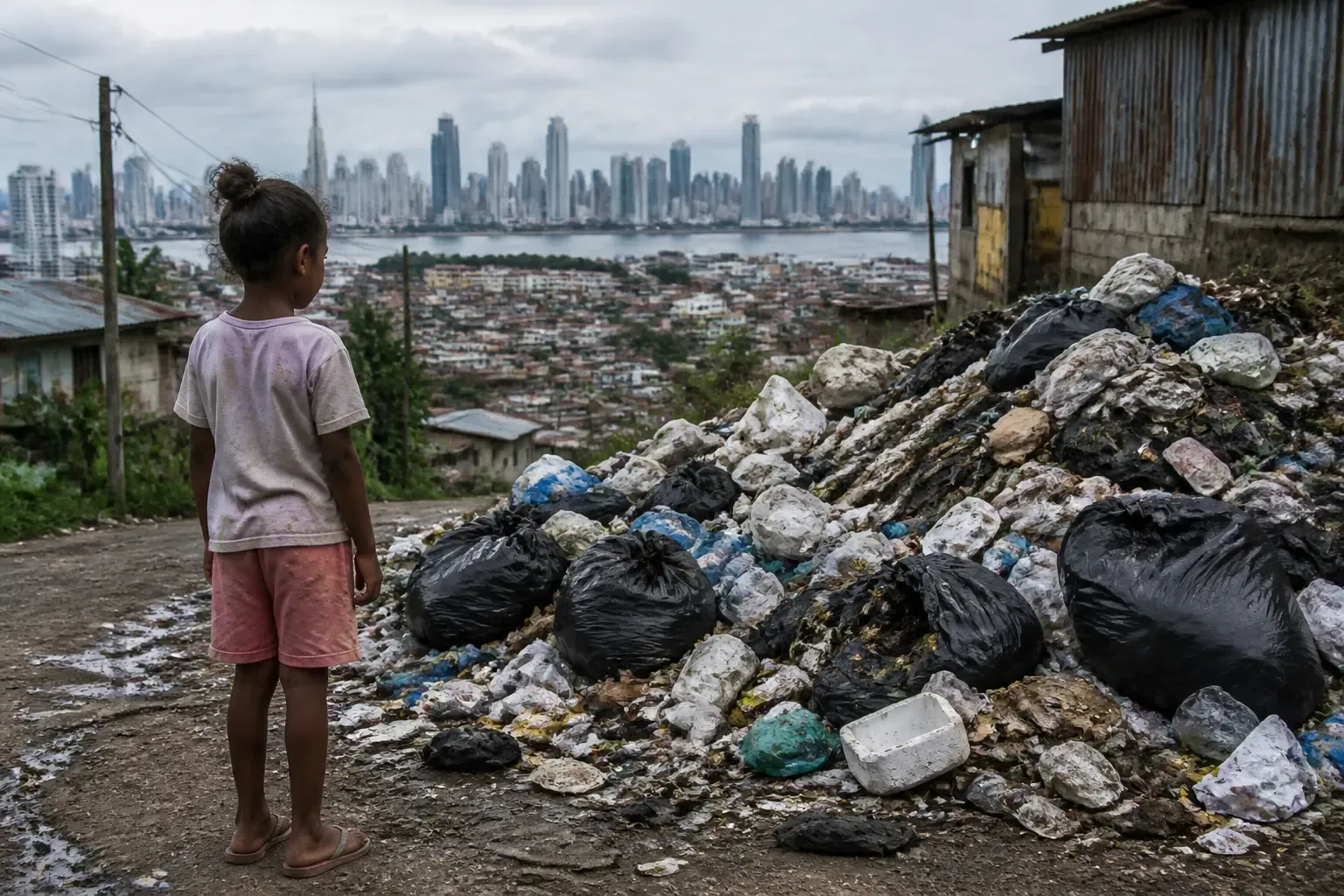
Mountains of waste have long plagued poor neighborhoods on the edge of Panama City, but a belated reckoning is under way as the problems spread and environmental concerns grow.
Residents of San Miguelito, a densely populated district on the outskirts of Panama City, navigate daily life amid rotting waste, flies, and the constant threat of disease. Waste is a constant backdrop, with children taught early to avoid the river, the rubbish, and the rats, yet mosquito-borne illnesses like dengue remain a persistent danger. Yamileth, a resident, describes the stench and odors that bother her family all day long, expressing concern for her children's health and a feeling of abandonment despite living in the city.
Panama’s waste crisis is increasingly at odds with its ambitions to become a tourist destination and high-income city. The government has pledged funding to address the issue, but much of the effort has fallen to environmental organizations. Adrián Benedetti of the environmental NGO Ancon says the situation has reached a critical level, citing a lack of recycling programs and inconsistent garbage collection, particularly in areas higher up the watershed that contribute significantly to river pollution.
Why it matters
The waste crisis has forced poorer communities to dump refuse in areas where rain will wash it away, worsening their living conditions.
This section reflects Dumpling editorial interpretation and is provided for context only.
What to watch
Watch whether private waste removal services for wealthy residents continue to exclude poorer neighborhoods from their coverage.
This section reflects Dumpling editorial interpretation and is provided for context only.