
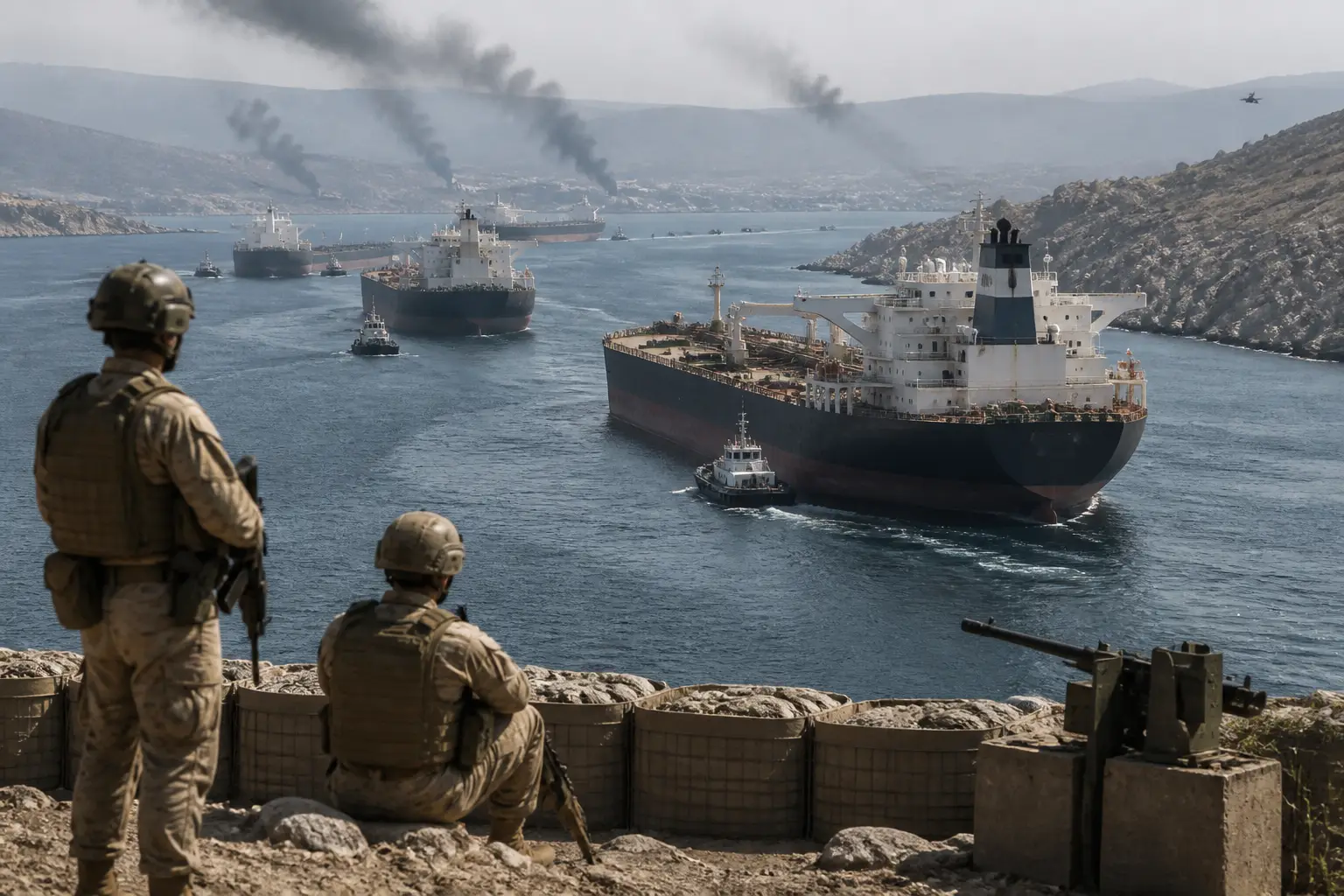
Crude oil exports from the Strait of Hormuz have largely returned to pre-war levels, with alternative methods such as pipeline exports and ship-to-ship transfers helping to bypass disruptions.
According to Kpler, 16.5 million barrels per day of crude left the region in September, matching pre-war averages excluding Iran. This is 10.5 million barrels per day higher than the March average during the early stages of the Iran war. The increase reflects the efforts of oil producers and the shipping industry to find alternative methods of transporting fuel out of the Middle East, as the Strait of Hormuz remains a point of contention following the outbreak of the Iran war.
Despite the recovery in crude exports, refined products like diesel remain constrained, leading to higher prices. About 40% of the region’s crude is now transported without passing through the Strait of Hormuz, compared to 17% before the war. This shift has been facilitated by pipeline operations and alternative shipping methods, including ship-to-ship transfers and the use of shuttle fleets. However, the movement of refined products such as diesel has not seen similar improvements, with less than 20% of pre-war levels being transported through the strait. This imbalance continues to impact global markets, particularly in regions reliant on these fuels for transportation and industry.
Why it matters
The return of crude exports shows shipping routes have adapted, but refined product constraints continue to affect regional markets.
This section reflects Dumpling editorial interpretation and is provided for context only.
What to watch
Watch whether shipping bottlenecks continue to limit refined product flows through the Gulf.
This section reflects Dumpling editorial interpretation and is provided for context only.