
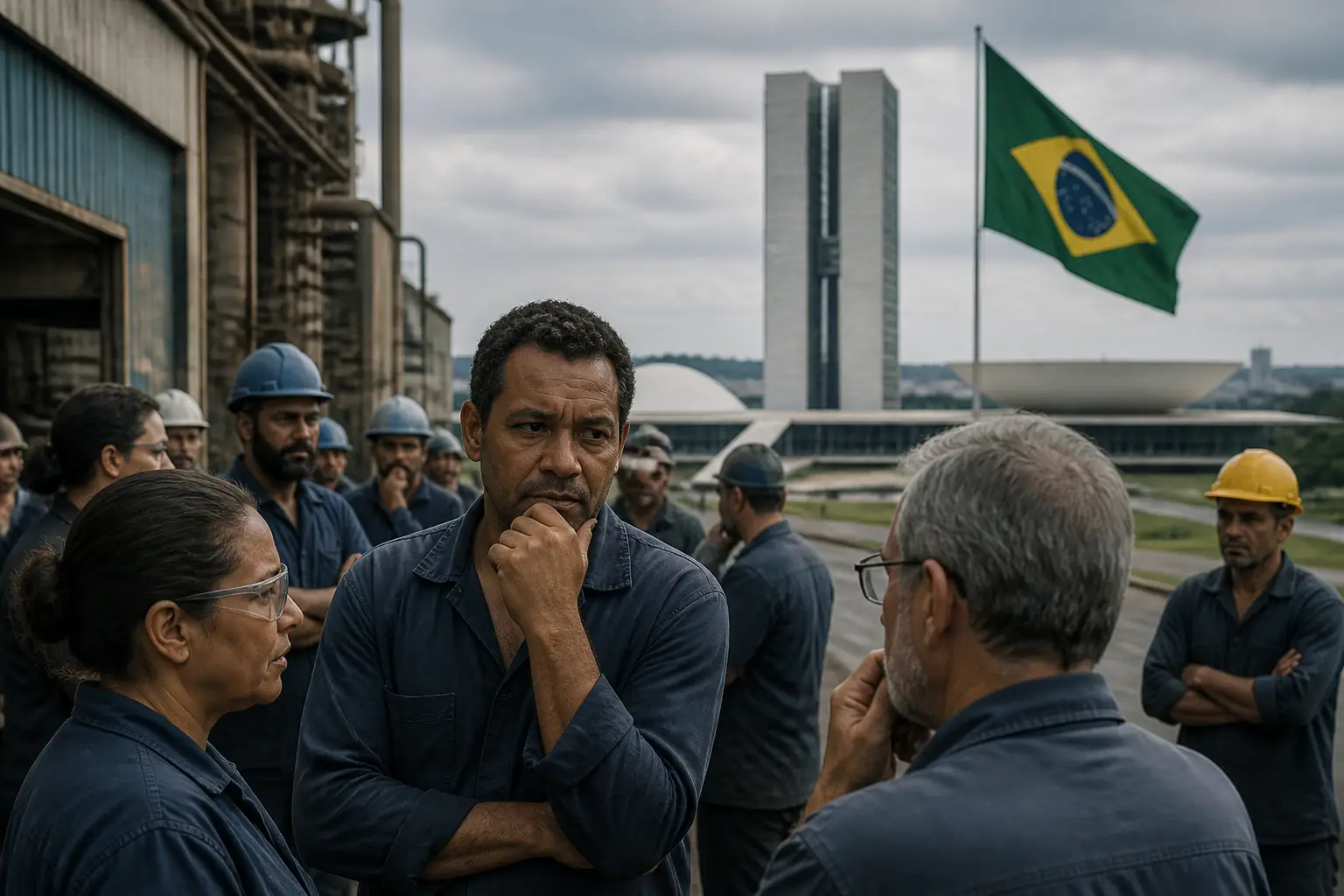
A transformation in Brazil's working class is influencing the second-round presidential election, as voters in Osasco shift support from Lula to Bolsonaro.
In Osasco, a former industrial hub now known as São Paulo's 'Silicon Valley,' the working class has evolved from industrial laborers to service workers, reshaping political allegiances. The municipality, which supported Lula in 2022, voted for Flávio Bolsonaro in the first round of the election this month. This shift highlights a transformation in the region's economy, where shuttered factories have been replaced by shopping malls and tech companies. The change in the working class has led to a decline in traditional union support, which was once a cornerstone of Lula's political base.
Bolsonaro's supporters in Osasco express frustration with the economy, high taxes, and a desire for change, even as Lula's re-election campaign faces challenges in retaining voter support. Many voters, like Gisele Bonfim, who previously supported Lula, now seek a different approach to address issues such as inflation and corruption. The transformation of the working class, from industrial to service-based employment, has contributed to a growing sentiment that Lula's policies have not adequately addressed the needs of the current workforce. This evolving dynamic is influencing the presidential race, as voters weigh their options in the upcoming second-round election.
Why it matters
The transformation of Brazil's working class directly affects Lula's political base and the outcome of the presidential run-off.
This section reflects Dumpling editorial interpretation and is provided for context only.
What to watch
Voter turnout and policy proposals from Bolsonaro may determine the election's result.
This section reflects Dumpling editorial interpretation and is provided for context only.