
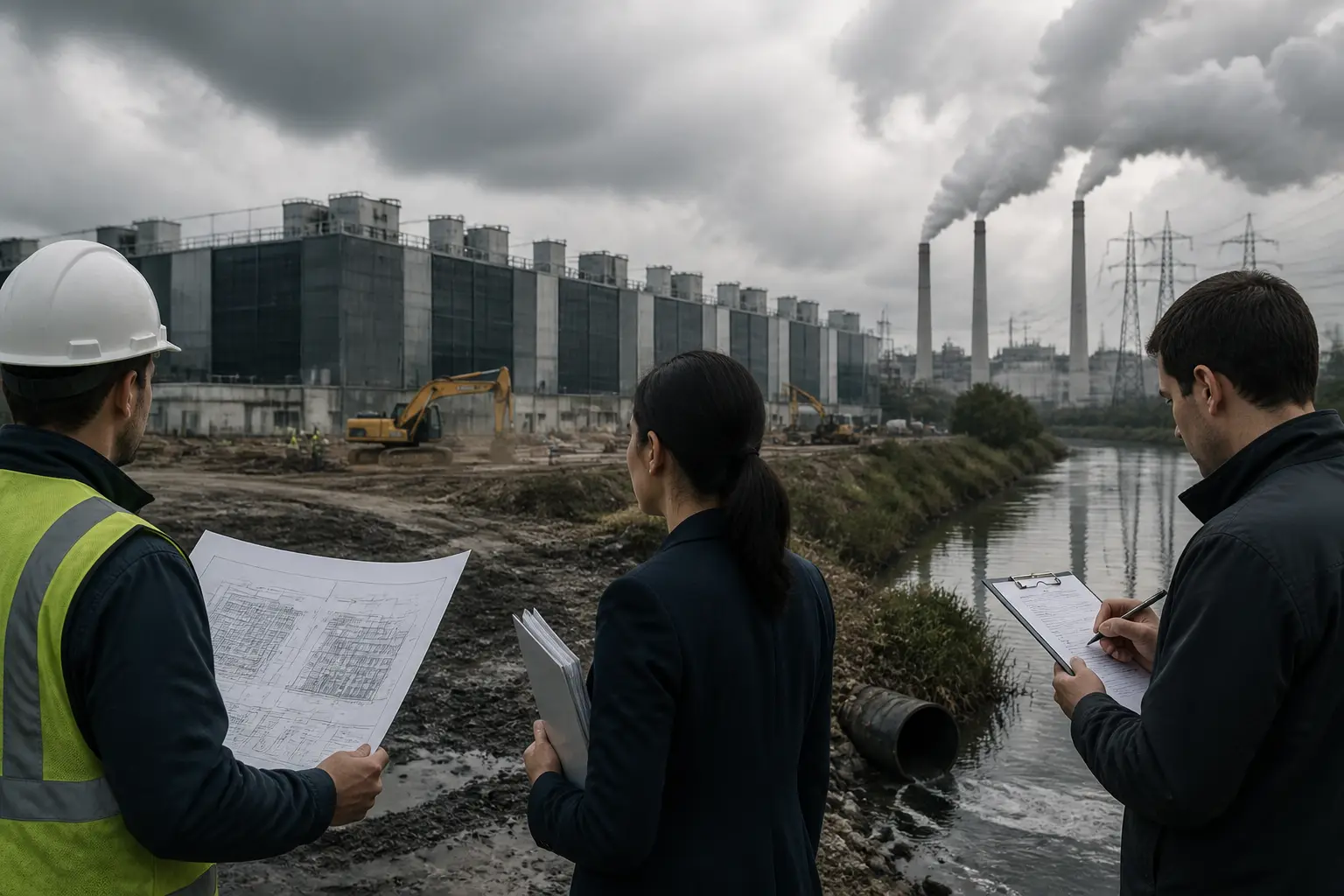
Environmental groups allege that datacenter developers are manipulating EPA permitting processes to avoid emission controls and public scrutiny.
Datacenter developers are accused of manipulating the EPA’s air pollution permitting process to avoid more stringent 'major' reviews, environmental groups claim. By splitting emissions sources into multiple 'minor' permits, companies can sidestep public scrutiny and expedite approvals, potentially saving costs and avoiding the need for pollution controls. This approach allows datacenters to operate with less regulatory oversight, even though they can be significant sources of nitrogen oxide, ozone, heavy metals, particulate matter, and greenhouse gases.
Examples include Amazon and Duke Energy in North Carolina, which installed 649 diesel generators and submitted two permits to avoid a major review in a low-income area already burdened by high pollution levels. In New Mexico, BorderPlex attempted to circumvent a major review by proposing two natural gas microgrids and submitting two minor permits, which together would have released enough pollution to require a major review. In Maryland, four datacenters with separate minor permits operate on a single campus. These tactics obscure the total pollution impact on nearby communities, making it harder to assess the environmental and health risks associated with these projects.
Why it matters
Environmental advocates allege that datacenter developers are avoiding stricter emissions reviews by manipulating the EPA process.
This section reflects Dumpling editorial interpretation and is provided for context only.
What to watch
Watch whether companies building major pollution sources comply with Clean Air Act review requirements.
This section reflects Dumpling editorial interpretation and is provided for context only.