
The US is prioritizing economic measures over new military actions against Iran, as oil prices stabilize and reduce economic pressure on American consumers.
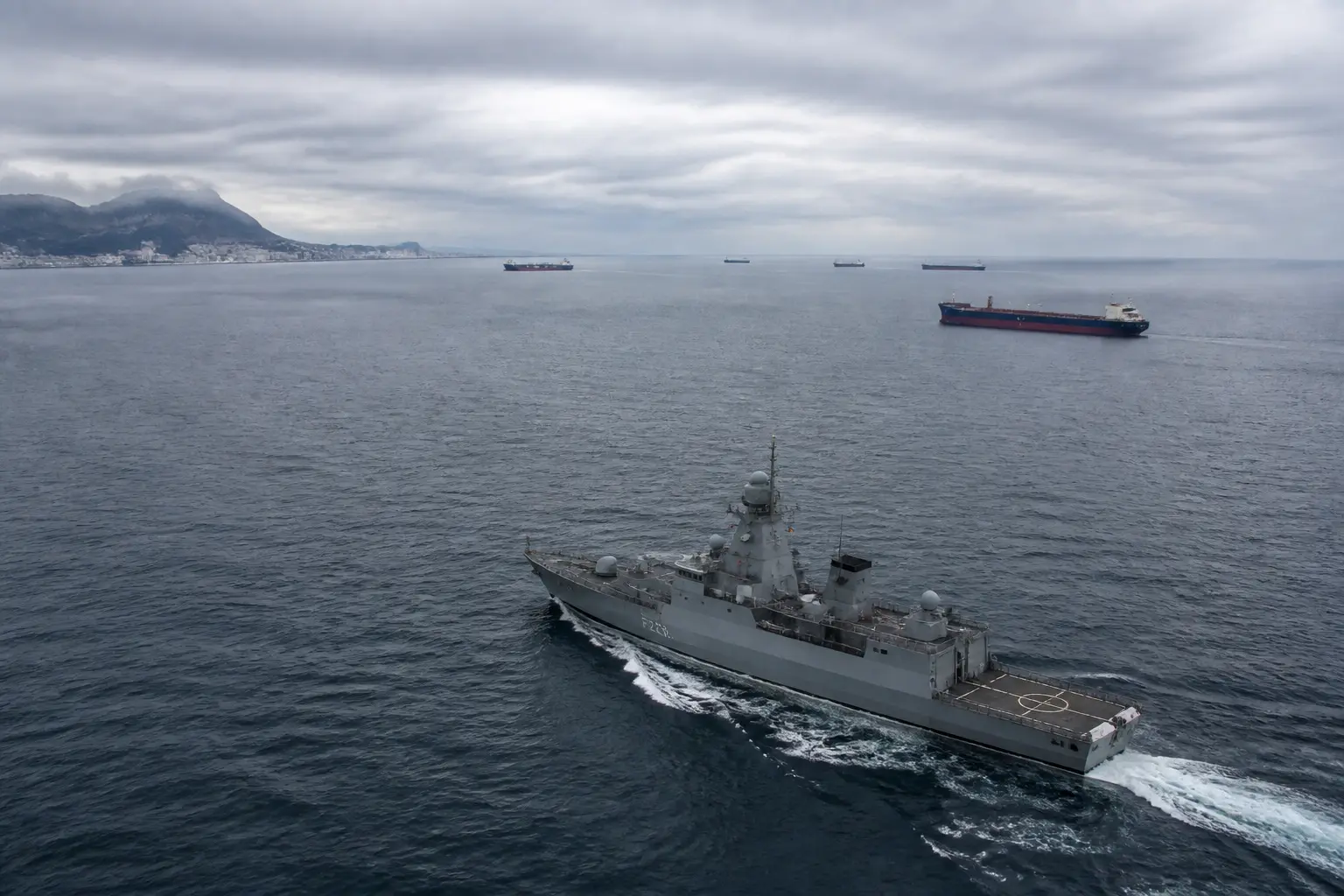
President Donald Trump has indicated a shift in US strategy toward Iran, emphasizing economic pressure through sanctions and a naval blockade rather than new military strikes. He described the approach as cautious, noting that the US is 'only semi-negotiating' with Iran while observing the economic toll on Tehran. Trump highlighted Iran's financial struggles, citing high inflation and challenges in paying its military personnel, and credited the US naval blockade, in place since April, for intensifying these pressures.
Stabilizing oil prices, currently just above $75 a barrel, have lessened the economic burden on American consumers, according to Trump. His comments follow ongoing talks mediated by Oman to reopen the Strait of Hormuz, with both Iran and the US nearing an agreement on a new shipping route. However, Iran has stated it will not fully reopen the waterway until the US lifts the naval blockade, halts military actions, and compensates for war damages. Fighting has resumed after a June ceasefire collapsed, with Iran continuing strikes on US bases in the region and Yemen’s Houthis imposing a separate naval blockade on Saudi Arabia.
Why it matters
The US strategy shift reflects a broader effort to manage regional tensions while balancing economic and military interests.
This section reflects the Daily Dumpling editorial team's personal interpretation and is provided for general reference only.
What to watch
The outcome of the Oman-mediated talks on the Strait of Hormuz and the potential for further escalation in the region remain key developments.
This section reflects the Daily Dumpling editorial team's personal interpretation and is provided for general reference only.
