
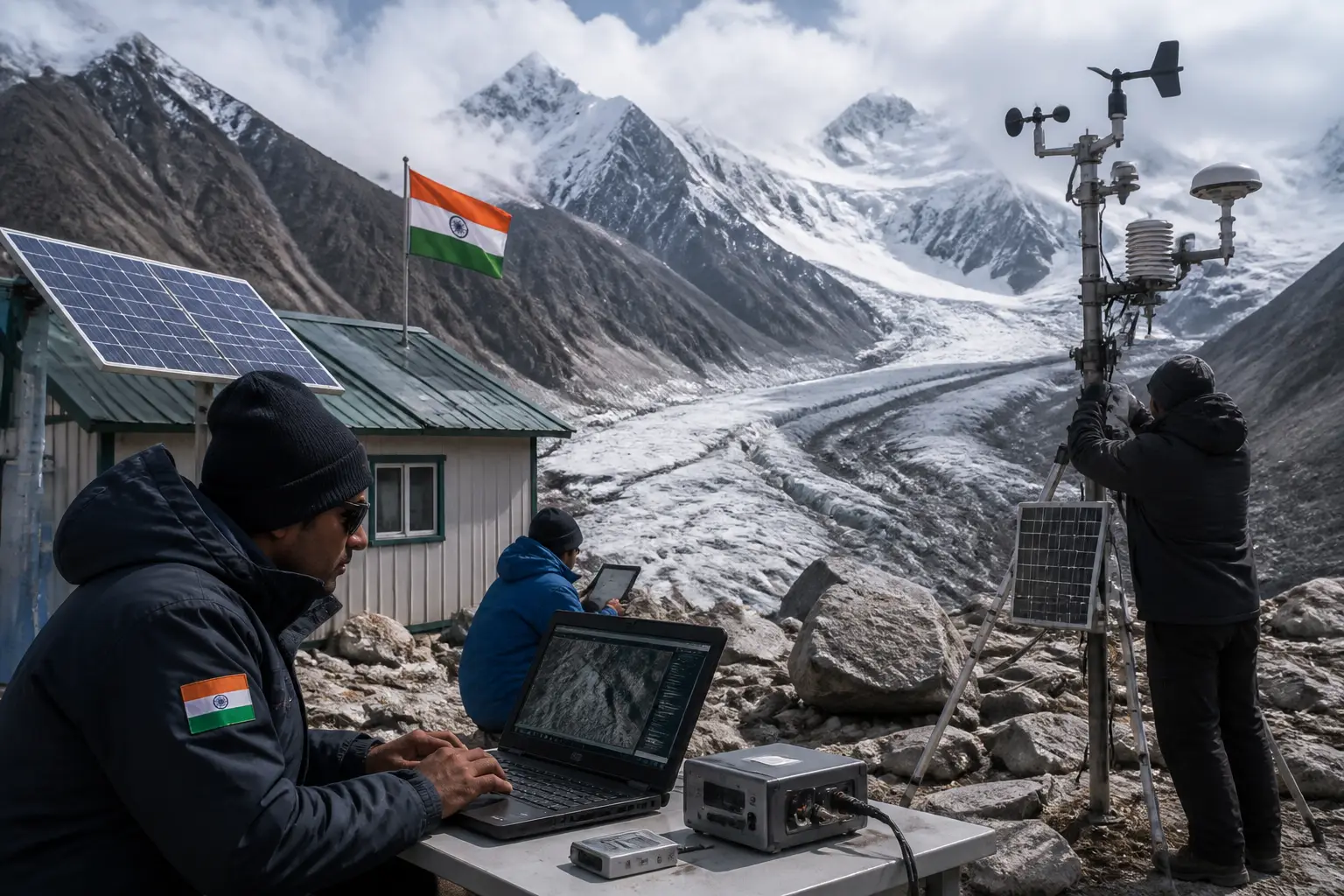
India has intensified monitoring of its Himalayan regions bordering China and Nepal after a glacial collapse triggered floods and a mudslide in Nepal, killing at least 682 people.
Authorities in India announced increased surveillance of glaciers and glacial lakes in the Himalayan region following a glacial collapse that caused floods and a mudslide in Nepal on August 26, 2026. The disaster, which left nearly 3,000 people missing, was attributed to a debris torrent created by the collapse, according to the US Geological Survey.
India’s state disaster management minister in Uttarakhand stated that the country is taking precautions due to its shared border with Nepal and similar geographic conditions. Uttarakhand, a highly ecologically sensitive region, is home to 1,266 glacial lakes, according to government data. Scientists warn that climate change is accelerating glacier melt, increasing the risk of such disasters.
Why it matters
India’s heightened monitoring could reduce risks for communities in Uttarakhand and Nepal, which are vulnerable to glacial-related disasters.
This section reflects Dumpling editorial interpretation and is provided for context only.
What to watch
India’s disaster management teams will monitor glacial lakes and slopes for signs of instability in the coming weeks.
This section reflects Dumpling editorial interpretation and is provided for context only.